
Introduction
Dozer blades and cutting edges are critical components that directly impact the efficiency, productivity, and longevity of your equipment. Whether you operate a CASE 850K, CAT D6, or Komatsu D65, proper maintenance ensures optimal performance in earthmoving, grading, and land-clearing applications. Blades for dozers endure extreme abrasion, impact, and wear, while cutting edges for dozers bear the brunt of direct ground contact. Without regular care, premature wear can lead to costly replacements and downtime.
This guide covers essential maintenance practices to extend the lifespan of your dozer blades and cutting edges, including inspection routines, wear management, and replacement strategies. By following these best practices, you can maximize cutting efficiency, reduce operating costs, and keep your dozer running smoothly in tough conditions.
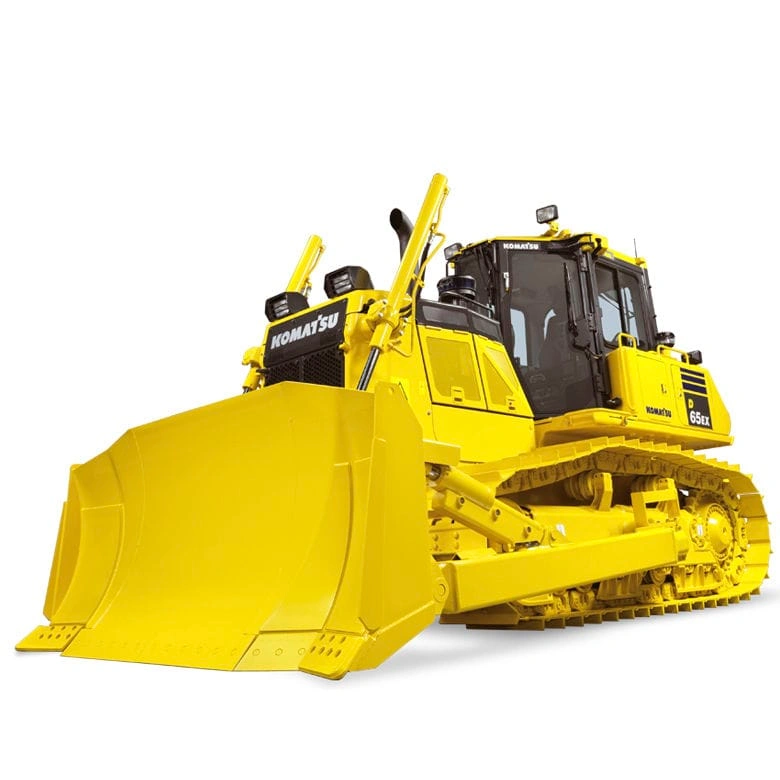
1. Regular Inspection and Cleaning
Check for Wear Patterns
-Inspect blades for dozers weekly for uneven wear, cracks, or bending.
-Look for rounded or chipped cutting edges, which reduce grading precision.
-Measure edge thickness—replace if worn beyond 50% of the original thickness.
Remove Debris and Buildup
-Clean mud, rocks, and sticky materials from the blade after each shift.
-Use a pressure washer to prevent corrosion in salt or chemically treated soils.
-Check bolt holes for clogging, which can weaken attachments.
Monitor Bolt Tightness
-Loose bolts cause blade misalignment and accelerated wear.
-Retorque bolts to OEM specs (typically 250–350 ft-lbs for dozers).
-Replace damaged or stretched bolts immediately.
2. Proper Edge Rotation and Replacement
Rotate or Flip Cutting Edges
–Double-edged blades can be flipped when one side wears out.
–Rotate segment-style edges to distribute wear evenly.
-Mark edges with paint to track usage and rotation cycles.
When to Replace Cutting Edges
-If the edge is less than 1 inch thick (varies by model).
-Visible cracks, deep gouges, or excessive bending.
-When blade efficiency drops (e.g., increased fuel use, slower grading).
Choosing the Right Replacement Edge
–Standard edges (Grade 80 steel) for general use.
–Carbide-reinforced edges for rocky or frozen ground.
–Bolt-on vs. welded edges—select based on dozer model and application.
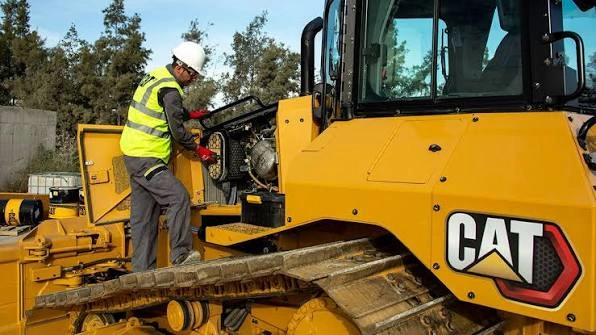
3. Lubrication and Corrosion Prevention
Protect Against Rust
-Apply anti-corrosion grease to bolt threads and blade surfaces.
-Store spare edges in a dry, covered area to prevent oxidation.
-Use zinc-rich paint on repaired or refurbished edges.
Lubricate Moving Parts
-Grease blade tilt and angle adjustment mechanisms regularly.
-Check hydraulic cylinders for leaks that may affect blade control.
4. Operational Best Practices
Avoid Overloading the Blade
-Don’t force the dozer through solid rock or deeply compacted material.
-Use rippers or breakers first to loosen tough ground.
Adjust Blade Angle for Efficiency
–Lower angles (30–45°) for fine grading.
–Steeper angles (50–60°) for aggressive digging or pushing.
Minimize Abrasive Damage
-Reduce blade contact with concrete, asphalt, or rocky surfaces when possible.
-Install wear plates or replaceable end bits in high-abrasion zones.
5. Storage and Long-Term Care
Store Blades Properly
-Keep edges off the ground on wooden pallets.
-Cover with a tarp if stored outdoors.
Refurbish Worn Blades
-Weld hardfacing on worn areas for extended life.
-Straighten bent blades using hydraulic presses (OEM-approved methods only).
Conclusion
Maintaining blades for dozers and cutting edges for dozers is essential for cost-effective and efficient operations. By implementing regular inspections, proper rotation, corrosion control, and smart operating techniques, you can significantly extend their lifespan. Investing in high-quality replacement edges and following OEM guidelines will ensure your dozer remains productive in the most demanding environments.
If you are looking for OEM dozer blades supplier, contact us freely! we can gurantee fast delivery and best quality.